
Basement Acid-Stained Floors: What Homeowners Should Know
When most homeowners start thinking about basement flooring, they usually narrow it down to carpet, LVP, or tile.
But there’s another option that can look really good in the right basement: acid-stained concrete.
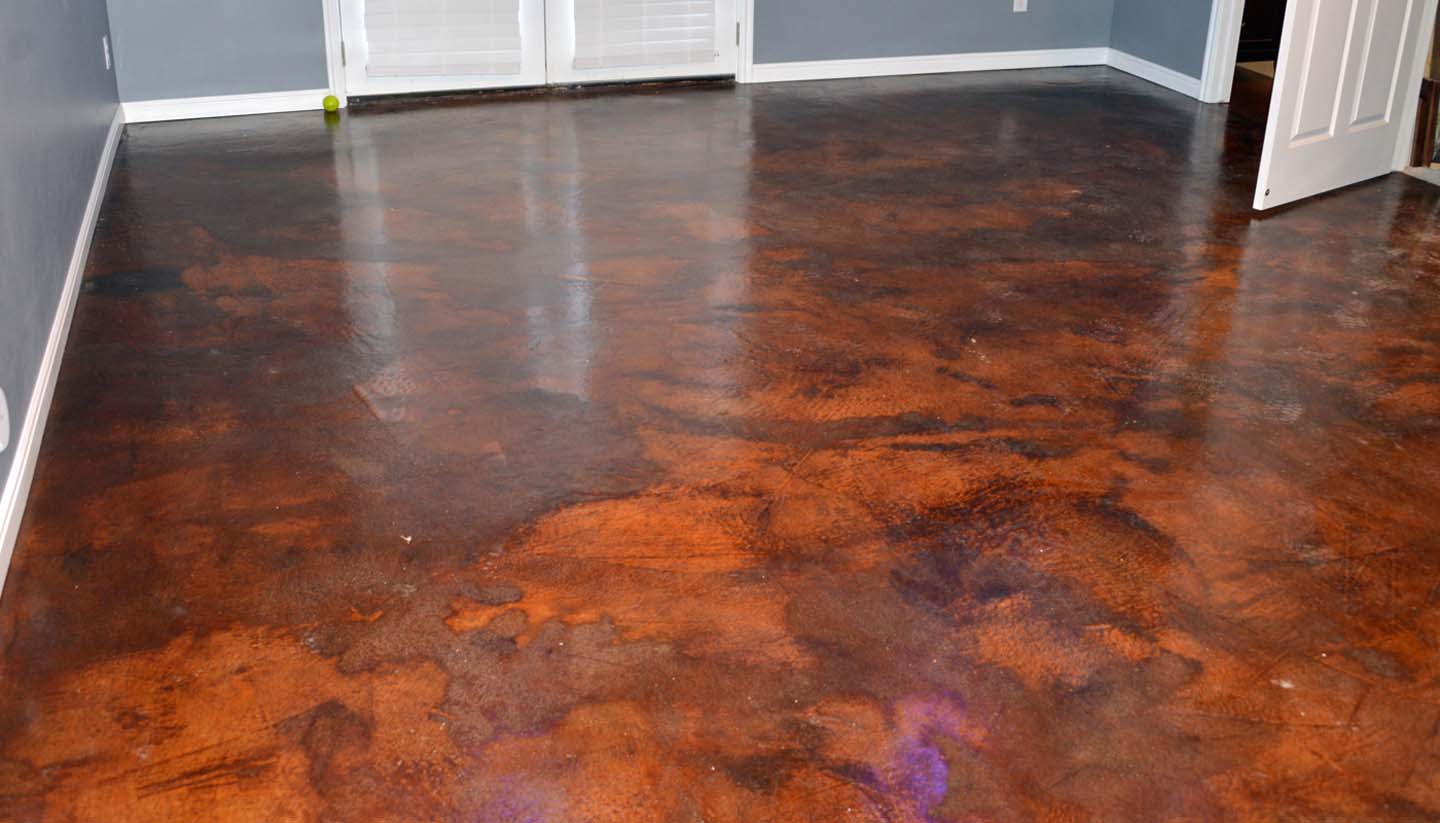
Instead of covering the concrete slab, you’re using the concrete itself as the finished floor. Acid stain reacts with the surface of the concrete to create variations in color that can look a little like stone, leather, or aged concrete.
And no two floors turn out exactly the same.
That’s part of the appeal, but it’s also something homeowners need to understand before choosing it. If you’re looking for a perfectly uniform floor where every square foot is exactly the same color, acid stain probably isn’t what you want.
If you like some variation and character, though, it can make for a really interesting basement floor.
What Is an Acid-Stained Concrete Floor?
Acid stain isn’t the same thing as painting concrete.
A true reactive acid stain penetrates the surface and reacts chemically with components in the concrete. That reaction creates the color rather than simply putting a colored film over the slab.
That’s why you get the mottled, uneven appearance acid-stained floors are known for.
Some areas may come out darker. Others may be lighter. You may see different shades and patterns across the same room.
That’s normal.
In fact, that’s usually the whole point.
The stain itself also doesn’t hide much. Cracks, patches, repairs, and other imperfections in the concrete may still be visible afterward.
Personally, I think that’s part of what makes these floors interesting. You’re not trying to make the concrete look like something it isn’t. You’re taking the slab that’s already there and turning it into part of the finished basement.
Why Consider Acid-Stained Concrete in a Basement?
There are a few reasons homeowners like it.
The first is durability.
You’re not installing carpet that eventually wears down or planks that can be scratched or damaged. The concrete slab is already there, and the stain becomes part of its surface.
The second reason is appearance.
A properly stained floor doesn’t look like somebody rolled brown paint across the basement. You get natural variation throughout the floor, and the finished result can work particularly well in game rooms, gyms, family rooms, and basements with a more industrial or rustic design.
And finally, it’s relatively easy to clean.
Once the floor is properly sealed, normal maintenance is fairly simple.
That doesn’t mean the floor is maintenance-free—the protective sealer still needs to be cared for, but there aren’t carpet fibers trapping dirt or seams between planks to worry about.
Every Acid-Stained Floor Will Look Different
This is probably the most important thing to understand before choosing acid stain.
You cannot pick an exact finished color from a little sample and assume your basement will look exactly like it.
The existing concrete affects the result.
One section of the slab may react differently from another. Previous spills, patches, curing compounds, adhesives, paint, or other contaminants can affect how the stain penetrates and reacts.
Even concrete poured at different times can take the stain differently.
That’s why we’d always want to look at the condition of the slab first.
A test area is also a good idea whenever possible.
If you like a floor with natural variation, this unpredictability is part of the appeal.
If you’re the kind of person who will stare at one slightly lighter section of flooring every time you walk downstairs, you may be happier with LVP or tile.
Preparation Is Everything
With acid-stained concrete, the finished floor is only as good as the slab underneath it.
The concrete needs to be properly cleaned and prepared so the stain can react with the surface.
Paint, glue, grease, sealers, and other materials can prevent the stain from taking correctly. And because acid stain is translucent, surface imperfections aren’t necessarily going to disappear when the floor is finished.
This is where homeowners sometimes get into trouble.
They see a staining kit and assume it’s basically the same as painting the garage floor.
It isn’t.
The preparation may actually take more work than applying the stain itself.
And if the basement floor has extensive patches, old adhesive, previous coatings, or other problems, we may recommend a different flooring option rather than trying to force acid stain onto a slab that isn’t a good candidate.
Make Sure You’re Getting an Actual Acid Stain
There are several different products that can color concrete, and they’re not all the same.
Some are reactive stains. Others are water-based stains, dyes, or topical coatings.
There’s nothing inherently wrong with those other products. Depending on the look you’re trying to achieve, one of them may actually be a better choice.
The important thing is knowing what you’re buying.
If you specifically want the mottled appearance of traditional acid-stained concrete, ask the contractor what product they’re using and how it works.
A true acid stain reacts with the concrete. A topical coating works differently and may have different preparation and maintenance requirements.
Don’t choose a product simply because someone calls it “stained concrete.”
Ask what they’re actually putting on your floor.
How Acid Staining Works
The exact process depends on the product and condition of the slab, but there are generally several important stages.
Step 1: Inspect and Prepare the Concrete
Before anything goes on the floor, the concrete needs to be inspected.
We’re looking for things like cracks, patches, paint, glue, oil, old sealers, and anything else that could interfere with the stain.
The floor then needs to be thoroughly cleaned and prepared according to the stain manufacturer’s requirements.
This step matters.
If part of the floor can’t absorb the stain correctly, you may end up with areas that look noticeably different from everything around them.
Step 2: Apply the Stain
Once the slab is ready, the stain is applied and allowed to react with the concrete.
This is where the color begins developing.
Depending on the desired appearance and the product being used, additional applications may be used to deepen or vary the color.
The important thing to remember is that you’re not simply covering the concrete with an opaque color.
You’re working with the existing slab, which is why the finished appearance varies from floor to floor.
Step 3: Neutralize and Clean the Floor
After the stain has reacted, the floor needs to be properly neutralized and cleaned.
You don’t want leftover residue trapped beneath the sealer.
This isn’t a step we’d rush. Proper cleaning after staining is important to how well the final sealer performs.
Step 4: Seal the Floor
The final step is applying a compatible sealer.
The sealer brings out the color and helps protect the finished surface from everyday traffic and wear.
You can also choose different sheen levels depending on the look you want.
Personally, I tend to prefer something a little less glossy in a basement. High-gloss concrete can look impressive when it’s perfectly clean, but it can also show scratches, dust, and wear more easily.
And depending on the sealer, a glossy surface may be slicker when wet.
Sometimes practical wins.
Are Acid-Stained Floors Durable?
Yes—but there’s an important distinction.
The acid stain itself reacts with the concrete, so it isn’t the same as a layer of paint sitting on top of the slab.
However, the sealer protecting the floor still experiences wear.
That means acid-stained concrete shouldn’t be sold as a floor you’ll never need to maintain again.
High-traffic areas may eventually show wear in the protective finish, and the floor may need additional maintenance or resealing depending on the sealer system and how the room is used.
The good news is that you’re starting with concrete.
There isn’t a carpet pad to replace or a damaged plank that needs to be pulled out.
With proper care, a stained concrete floor can have a very long service life.
What About Moisture?
Concrete and basement moisture always deserve a conversation.
Acid stain doesn’t magically solve an existing water or moisture problem.
If you’ve had water intrusion, excessive moisture coming through the slab, or other drainage issues, those problems need to be investigated before you worry about the decorative finish.
Moisture can also affect some sealers.
We’ve run into basement projects where the first priority wasn’t choosing flooring at all—it was figuring out why water was getting into the basement and fixing that problem first.
That’s the right order.
Fix the water problem.
Then choose the floor.
Is Acid-Stained Concrete Cold?
Yes.
It’s concrete.
This is probably the biggest everyday drawback compared with carpet.
A stained concrete floor isn’t going to give you the warm, soft feeling you get from carpet, particularly during a Utah winter.
For a home gym, game room, or certain family rooms, that may not bother you at all.
For a bedroom where you’re getting out of bed barefoot every morning, you may feel differently.
Area rugs can help in seating areas, but this is something I’d think about before deciding to stain the entire basement.
Sometimes mixing flooring types makes more sense.
You might use stained concrete in the gym or game area and carpet in the bedrooms.
There’s no rule saying your entire basement needs the same flooring.
How Much Does Acid-Stained Concrete Cost?
A reasonable planning range for professionally acid-stained concrete can be around $10 to $15 per square foot, although the actual cost depends heavily on the condition of the slab and the finish you’re trying to achieve.
Preparation is a big variable.
A relatively clean concrete floor that’s ready for staining is one thing.
A basement with old paint, adhesive, extensive repairs, uneven areas, or other surface problems is something completely different.
More complicated color treatments and decorative work can also increase the price.
This is another reason we’d inspect the actual basement before giving someone a firm number.
The square footage only tells you part of the story.
Is Acid-Stained Concrete Slippery?
It can be.
The stain itself isn’t necessarily what determines how slippery the finished floor feels. The sealer and finish play a big role.
A high-gloss sealed floor can become slick, particularly when it’s wet.
If traction is a concern, there are lower-gloss finishes and traction additives that may be appropriate depending on the sealer being used.
This is especially worth thinking about near exterior basement entrances, bathrooms, or anywhere the floor might regularly get wet.
Again, don’t choose the finish based entirely on how it looks in a photograph.
Think about actually living with it.
How Do You Maintain an Acid-Stained Basement Floor?
Day-to-day maintenance is pretty straightforward.
Sweep or vacuum up dirt and grit, and damp mop the floor as needed using cleaning products appropriate for the sealer.
We’d avoid harsh cleaners unless the manufacturer specifically says they’re safe for that finish.
The bigger maintenance item is the protective coating.
Depending on the type of sealer, amount of traffic, and manufacturer’s recommendations, the floor may eventually need another protective coat or resealing.
Pay attention to wear areas rather than waiting until the finish is completely gone.
Is Acid-Stained Concrete Right for Your Basement?
It can be a great choice, but it’s definitely not for everyone.
We like it for homeowners who want something a little different and don’t mind natural variations in the floor.
It’s particularly interesting for:
- Home gyms
- Game rooms
- Large family rooms
- Workshops or hobby areas
- Basement apartments
- Rustic or industrial-style basements
If you want something warm and soft, we’d probably steer you toward carpet.
If you want the appearance of wood and a more consistent finish, LVP may make more sense.
If you want to work with the concrete that’s already there and create something that’s completely unique to your basement, acid staining is worth considering.
The most important thing is to look at the slab before deciding.
Not every basement floor is a good candidate, and we’d rather tell a homeowner that upfront than promise a beautiful stained floor and discover problems halfway through the project.
Thinking about finishing your Utah basement? Contact Utah Basement Finisher at 385-343-7847 for a free in-home consultation and detailed quote.
continue reading
Related Posts
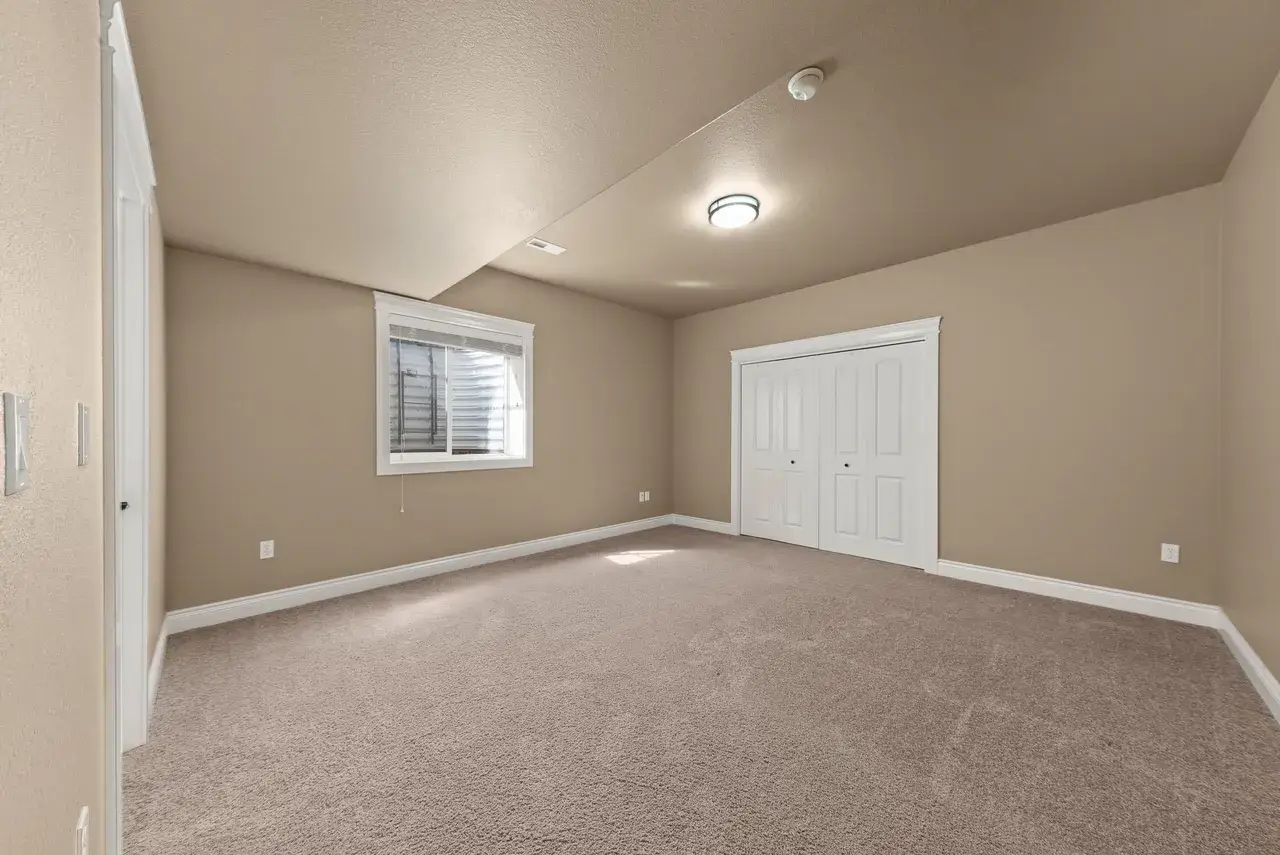
An 8-foot basement ceiling doesn’t have to feel low or cramped. With the right lighting, colors, flooring, layout, and a few smart design choices, you can make your basement feel taller, brighter, and more open.
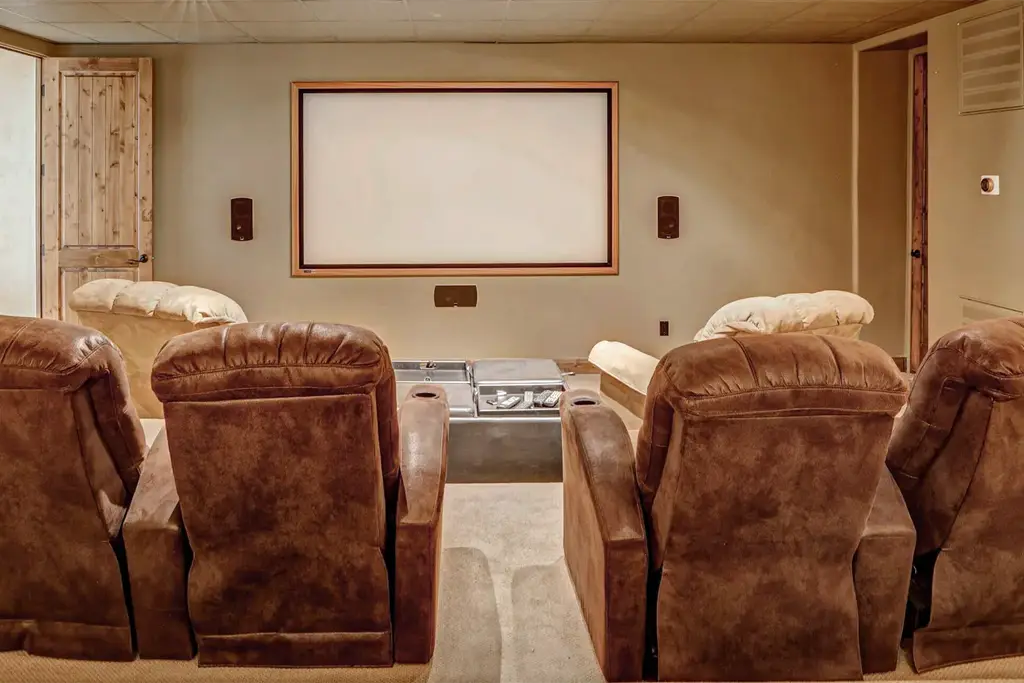
Planning a basement finishing project is not just about adding square footage. The goal is to create a space that fits naturally with how you live in your home.
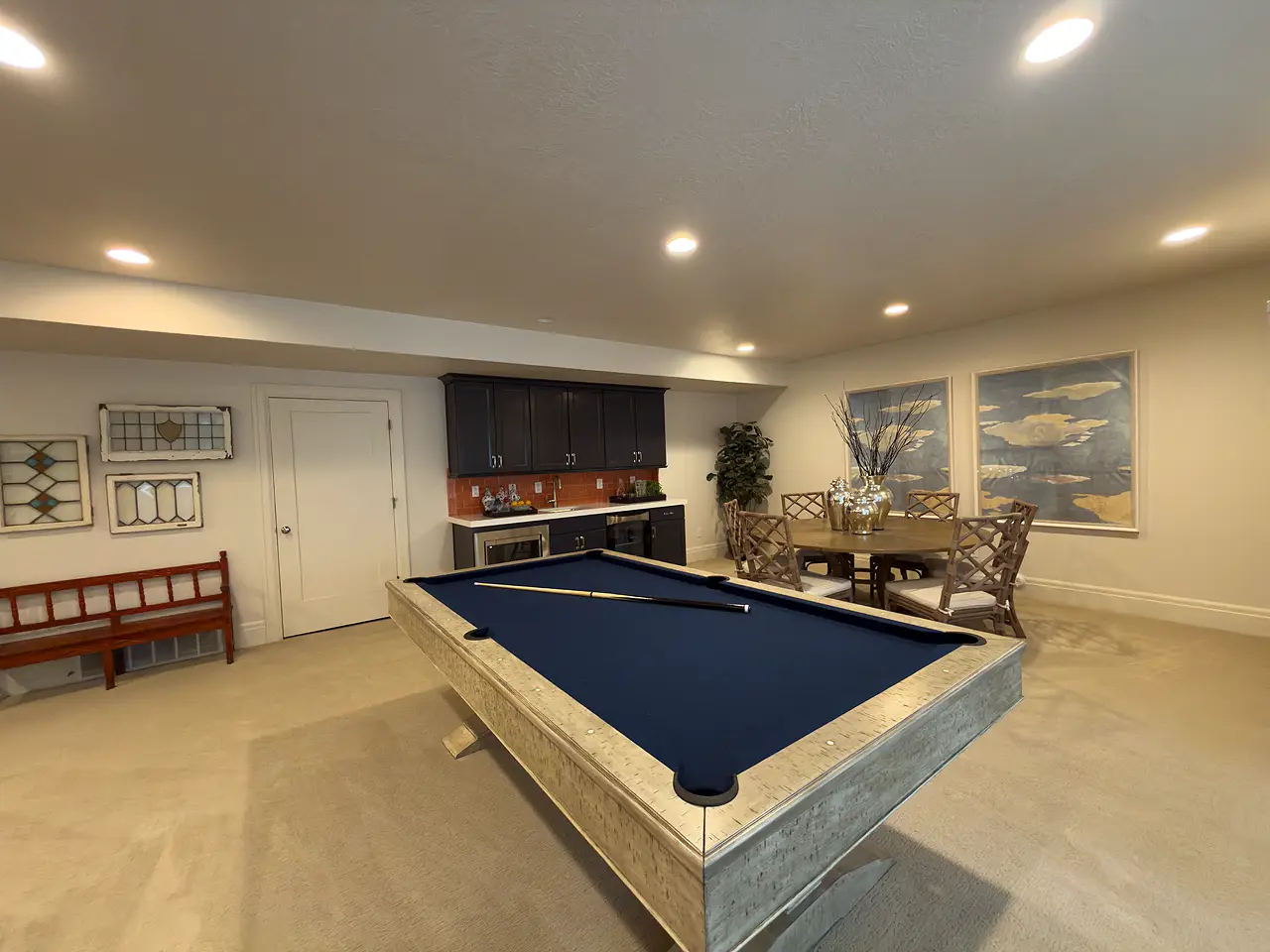
Planning a basement finishing project is not just about adding square footage. The goal is to create a space that fits naturally with how you live in your home.