
The ROI of Finishing a Basement in Utah
When people ask whether finishing a basement is a good investment, they’re usually thinking about one thing: Will I get the money back when I sell my house?
That’s certainly part of the equation, but we don’t think it’s the only way to look at it.
A finished basement is something you may use every day for years before you ever put your home on the market. Maybe it gives your kids their own bedrooms. Maybe you finally get a home office, gym, or family room. Or maybe you turn the basement into an apartment that brings in rental income every month.
We’ve finished thousands of basements over the years, and we’ve found that homeowners usually get the most value when they design the basement around something they genuinely need—not simply what they think a future buyer might want.
ROI Isn’t Just About Resale Value
There are really two types of return to think about with a basement.
The first is financial value. You’re taking unfinished square footage and turning it into usable living space, which can make your home more attractive when it’s eventually time to sell.
The second is harder to put a dollar amount on.
What is another bedroom worth if it means you don’t have to move? How much do you value having a family room where your teenagers and their friends can hang out? What about having a home office instead of working from the kitchen table?
Those things won’t show up in a traditional ROI calculation, but they matter.
This has become especially relevant in Utah as housing has gotten more expensive. Moving into a larger home can be a major financial jump. In some cases, finishing the square footage you already own makes more sense than buying another house just to get another bedroom or family room.
Basement Apartments Can Create Monthly Income
If financial return is one of your main goals, a basement apartment is worth considering.
Unlike a bedroom, theater room, or home gym, an apartment can potentially generate income every month.
We finished 12 basement apartments along the Wasatch Front last year, and the homeowners were generally getting around $1,600 to $2,200 per month in rent, depending on the size, location, and features of the apartment.
That’s a meaningful amount of money.
For some homeowners, the rent helps offset a large portion of the mortgage payment. Others use it to pay down the cost of finishing the basement. We’ve also worked with families who aren’t interested in renting the space right away but want the option in the future.
Of course, a basement apartment costs more to build than a standard basement.
You’re typically adding a kitchen, more plumbing and electrical work, living space, and possibly a separate entrance. You’ll also need to consider parking, egress, fire separation, and local zoning requirements.
Not every home or property is a good candidate for an apartment, so this is something we recommend looking into before you get too far into the design.
Bedrooms and Bathrooms Usually Make Sense
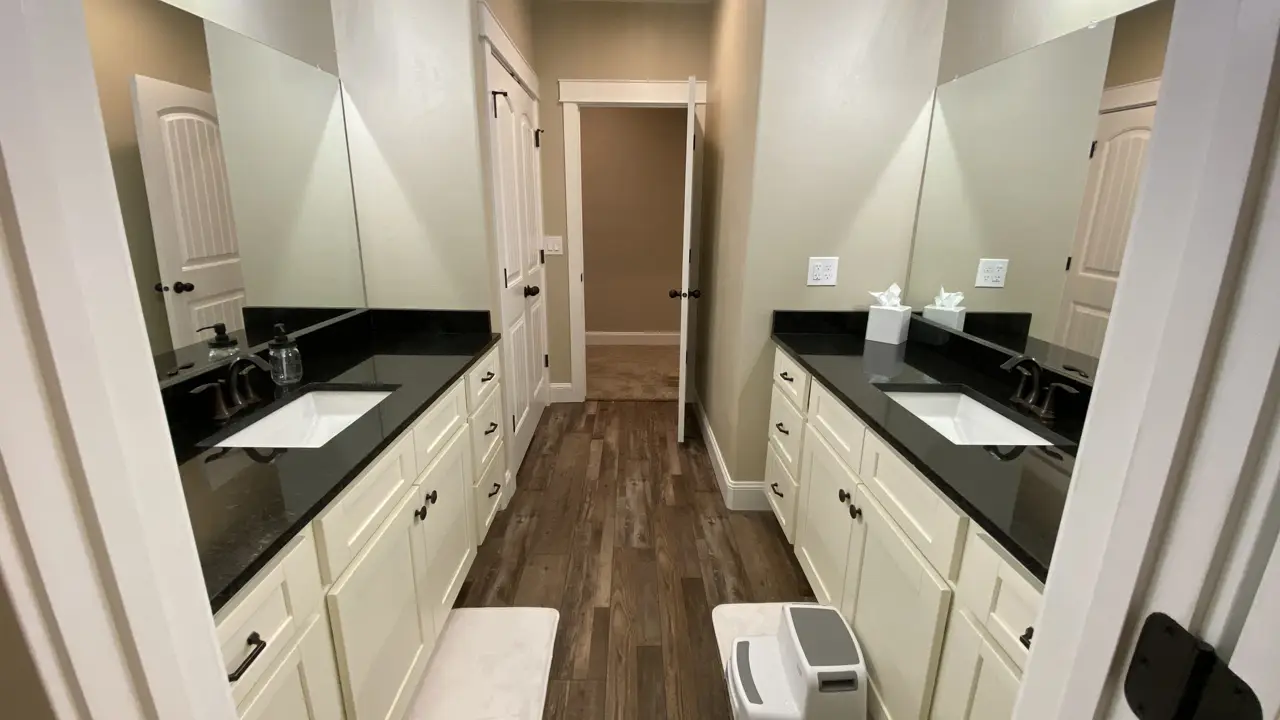
If you’re finishing the basement for your family rather than as a rental, bedrooms and bathrooms are usually some of the most practical places to put your money.
They’re useful now, and they’re spaces future homeowners can understand immediately.
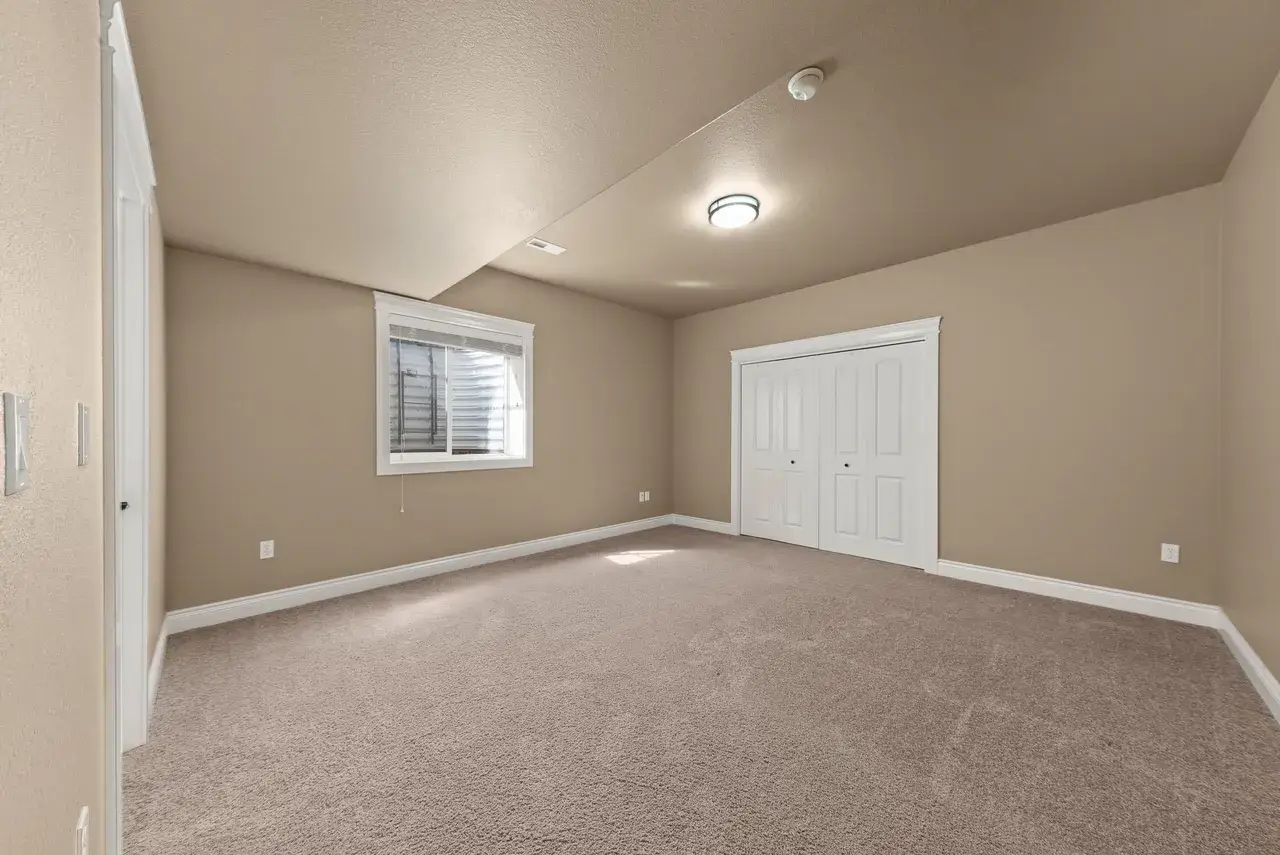
A bedroom can be used by a child, guest, or family member. It can also become an office or hobby room later. A bathroom makes the entire basement more convenient regardless of how the other rooms are being used.
We’ve worked with plenty of families where the main reason for finishing the basement was simply that they were running out of bedrooms upstairs.
Instead of moving, they finished two or three bedrooms downstairs and gained the space they needed without leaving the neighborhood.
That’s a pretty good example of why ROI isn’t always about what happens when you sell.
A Good Family Room Is Hard to Go Wrong With
We’re also big believers in leaving enough room for a comfortable family room.
Sometimes homeowners get so focused on adding bedrooms, bathrooms, storage, a gym, and everything else on their wish list that the family room gets squeezed into whatever space is left.
We’d rather see a little breathing room.
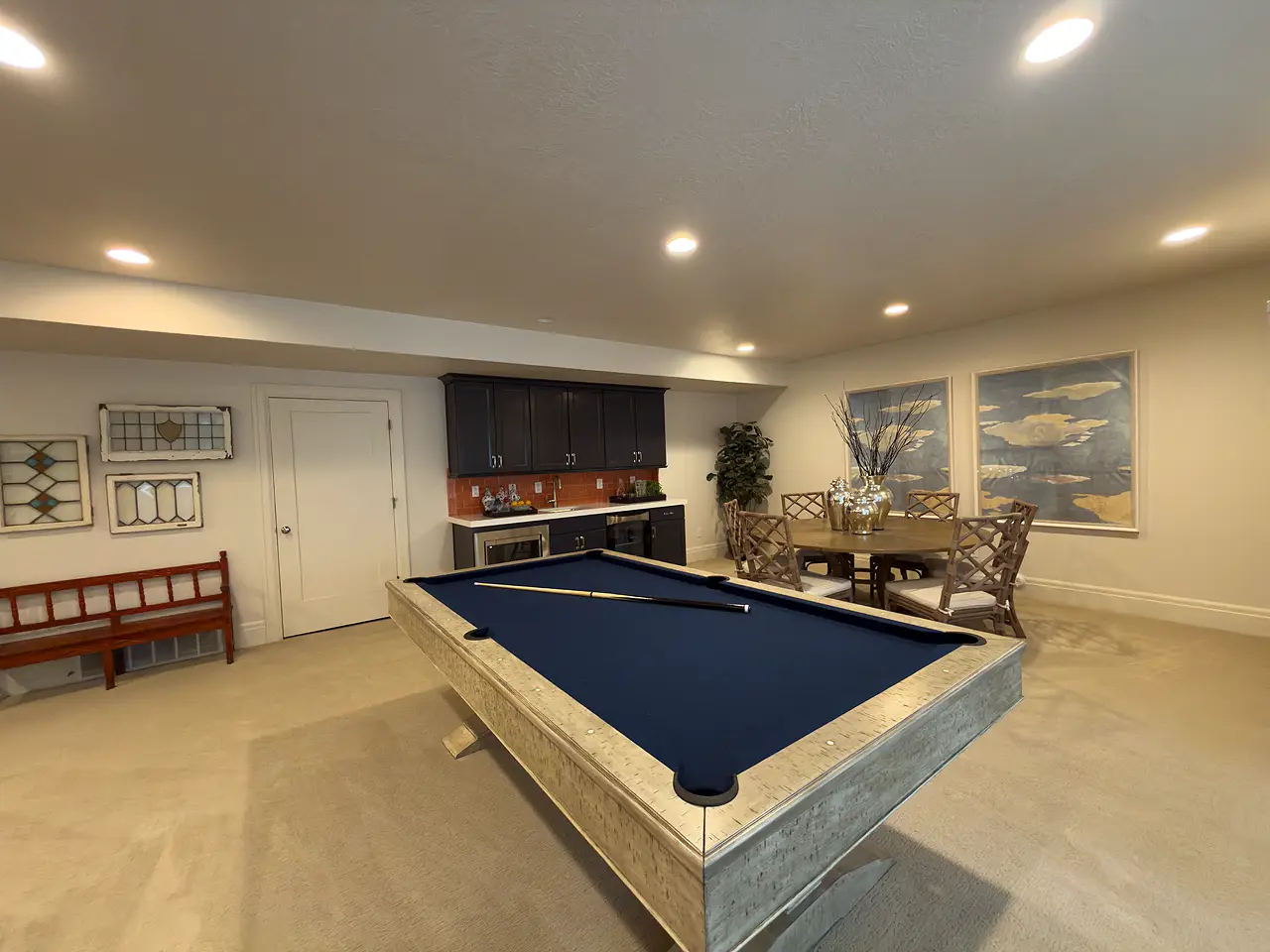
A large family room is one of the most flexible spaces you can build. It can be a TV room today, a place for teenagers to hang out a few years from now, and an entertainment space when family comes over.
We’ve also seen homeowners combine uses rather than building separate rooms for everything. A large family room might have a TV area on one side and a pool or ping-pong table on the other.
That flexibility can be valuable because the basement can change as your family does.
Be Careful About Overbuilding
It’s possible to spend a lot of money on a basement without necessarily getting the same amount of value back.
Basement kitchens are a good example.
If you’re building an apartment, a kitchen is obviously important. But if the basement is simply an extension of your home, think about how much you’ll actually use a full second kitchen.
A smaller wet bar may accomplish what you need for considerably less money.
Dedicated theater rooms are another feature we think homeowners should consider carefully.
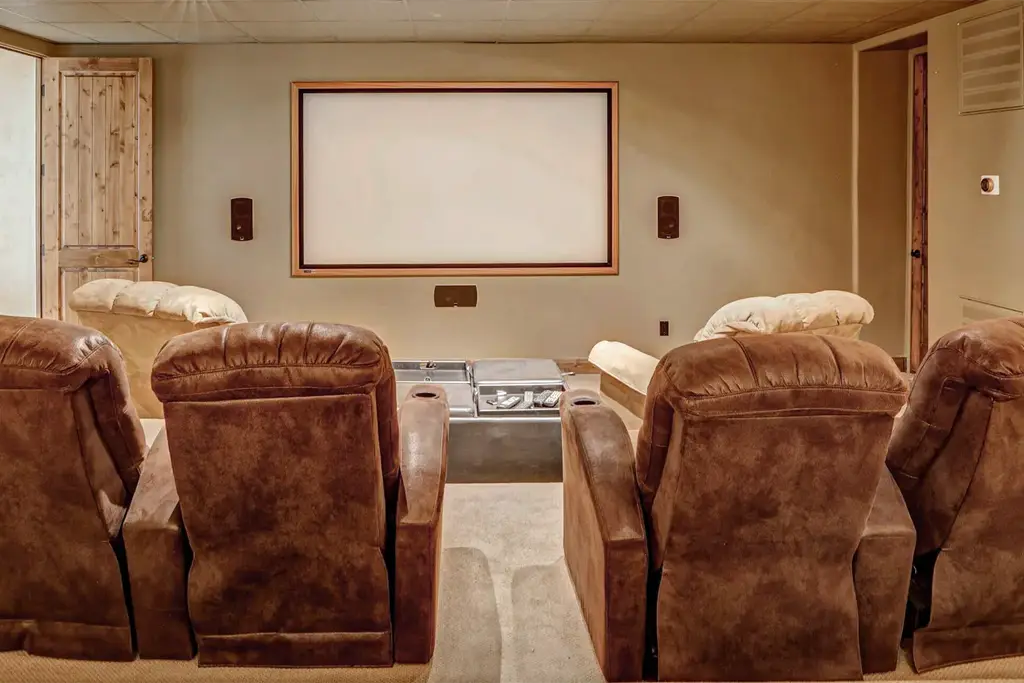
We’ve built some fantastic theater rooms, and they’re great for families who genuinely love movies. But a dedicated theater takes up a lot of space and has a very specific purpose.
More homeowners today seem to prefer a nice media or TV area that’s part of the family room. You still get a large screen, comfortable seating, and a great place to watch movies, but the room can be used for other things too.
That doesn’t mean you shouldn’t build a theater. If you’ve always wanted one and know you’ll use it, go for it.
Just build it because you want a theater, not because you assume it will automatically pay for itself when you sell the house.
Don’t Spend Money on Features You Won’t Use
One of the easiest ways to hurt the value of your basement project is trying to check every box.
You don’t need a wet bar because your neighbor has one. You don’t need a home gym if you prefer going to the gym. And you don’t need four basement bedrooms just because you can physically fit four bedrooms into the floor plan.
We’ve found that the best basements usually have a pretty clear purpose.
If you have teenagers, maybe you prioritize bedrooms and a big family room. If you entertain a lot, a wet bar and open gathering space might make more sense. If you’re building an apartment, your priorities change again.
Spend your budget on the things you’re actually going to use.
Poor Planning Can Hurt the Value of a Finished Basement
A basement isn’t automatically valuable just because it’s finished.
We’ve walked through finished basements where someone tried to squeeze too many rooms into the available space. You end up with narrow hallways, tiny bedrooms, awkward corners, and a family room that’s too small to comfortably furnish.
Sometimes fewer rooms would have made the basement considerably better.
The quality of the work matters too.
Poor lighting can make a basement feel dark. Bad flooring preparation can cause problems with LVP or tile. Inadequate HVAC can leave rooms uncomfortable. Moisture problems that weren’t addressed before construction can become much more expensive after everything is finished.
These aren’t glamorous parts of basement finishing, but they’re the things that determine whether the basement still feels good five or ten years later.
Permits Are Worth Doing Properly
Trying to save money by skipping permits isn’t something we recommend.
Basement permits cover important parts of the project, including framing, electrical, plumbing, HVAC, and life-safety requirements. Inspections give another set of eyes to work that will eventually be hidden behind drywall.
There can also be consequences for unpermitted work later. It can create questions when you sell or refinance the home, and insurance coverage can become an issue when damage is connected to work that wasn’t properly permitted.
Permits aren’t the exciting part of building a basement, but they’re part of doing the job correctly.
We handle the permitting and inspection process for our customers so they don’t have to coordinate it themselves.
Will You Get Every Dollar Back When You Sell?
Probably the wrong way to think about a basement is, “If I spend $50,000, will my house immediately be worth exactly $50,000 more?”
Real estate doesn’t work that neatly.
The value of a finished basement depends on your neighborhood, the quality of the work, the layout, the local housing market, and what buyers are looking for when you eventually sell.
It also matters how long you use the basement before selling.
If your family spends ten years enjoying another 1,000 square feet of living space and the basement also makes your home more appealing when you eventually move, your return isn’t limited to whatever number appears on an appraisal.
You’ve been getting value out of that investment the entire time.
Is Finishing Your Basement Worth It?
For many Utah homeowners, it can be, especially when there’s a clear reason to finish the space.
If you need more bedrooms, want a larger family room, need somewhere to work from home, or want to create a legal rental unit, you’re turning space you already have into space you can actually use.
But we wouldn’t recommend adding expensive features simply because someone tells you they’ll increase your home’s value.
Start with what your family needs. Build a practical layout. Get the work permitted. Put your money into features you’ll actually use, and don’t overcomplicate the design.
If you eventually sell the house, a well-designed finished basement can be an attractive feature for the next owner.
Until then, you get to enjoy it.
Find Out What Makes Sense for Your Basement
Every basement is different, and so is every homeowner’s reason for finishing one.
continue reading
Related Posts
An 8-foot basement ceiling doesn’t have to feel low or cramped. With the right lighting, colors, flooring, layout, and a few smart design choices, you can make your basement feel taller, brighter, and more open.
Planning a basement finishing project is not just about adding square footage. The goal is to create a space that fits naturally with how you live in your home.
Planning a basement finishing project is not just about adding square footage. The goal is to create a space that fits naturally with how you live in your home.