Make Laundry More Convenient
Utah Basement Laundry Rooms
Create a basement laundry room that makes everyday routines easier with a practical layout, useful storage, durable finishes, and a design that fits naturally into your finished basement.
Request a Free Basement Bid


Designed Around Your Routine
A Basement Laundry Room that Works for You
A well-designed basement laundry room can make everyday chores easier and keep everything you need in one convenient place. We can help you create a comfortable, practical space designed around how your family does laundry.
Everything Organized
Smart Storage for a better laundry room
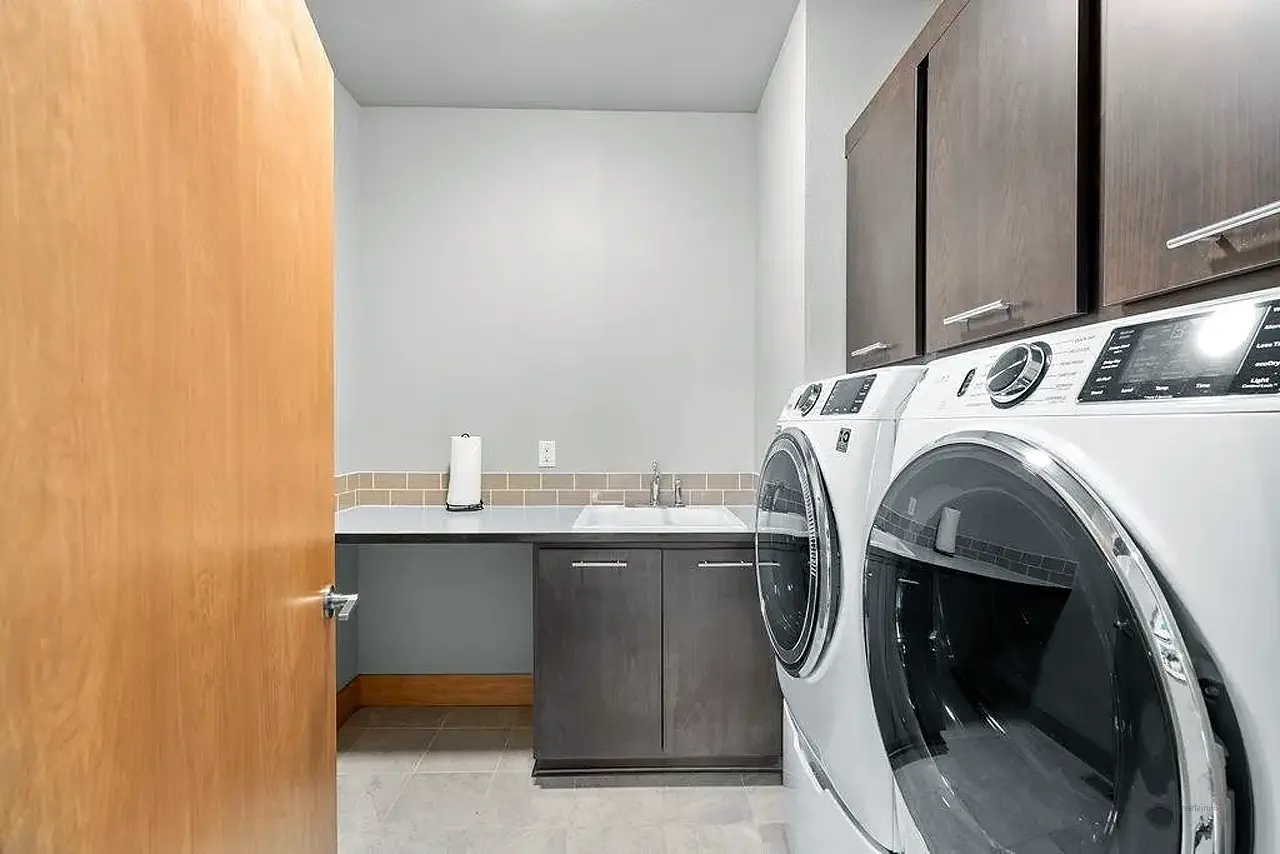
The right storage can make your basement laundry room easier to use and help keep clutter under control. Cabinets, shelving, countertops, and other practical features give everything a place while creating a cleaner, more organized space.
Photos of Recent Basement Finishes
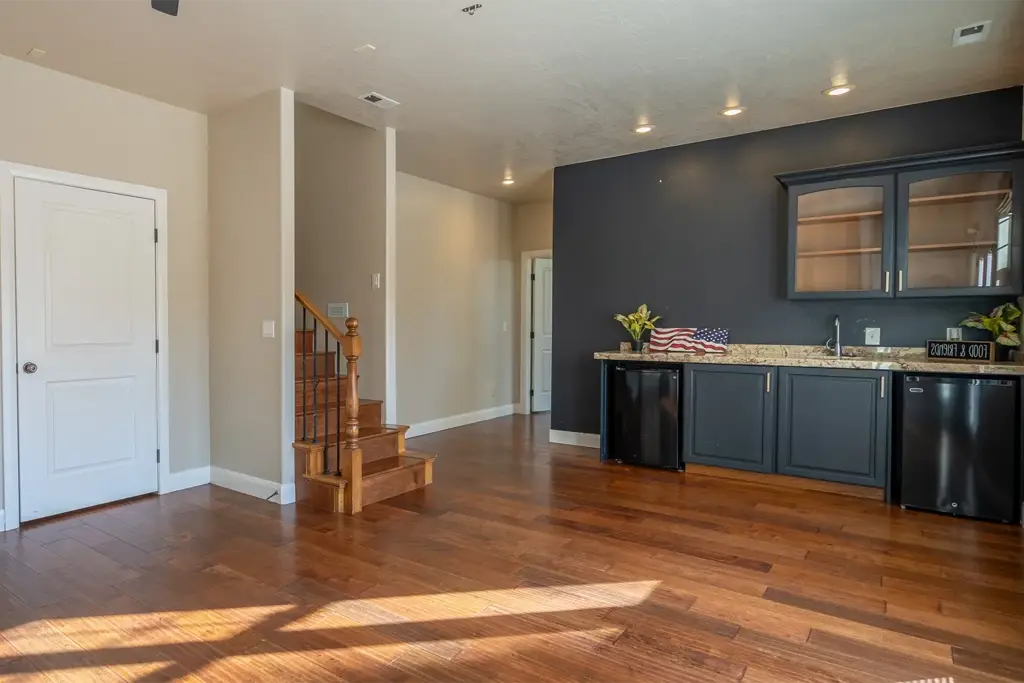
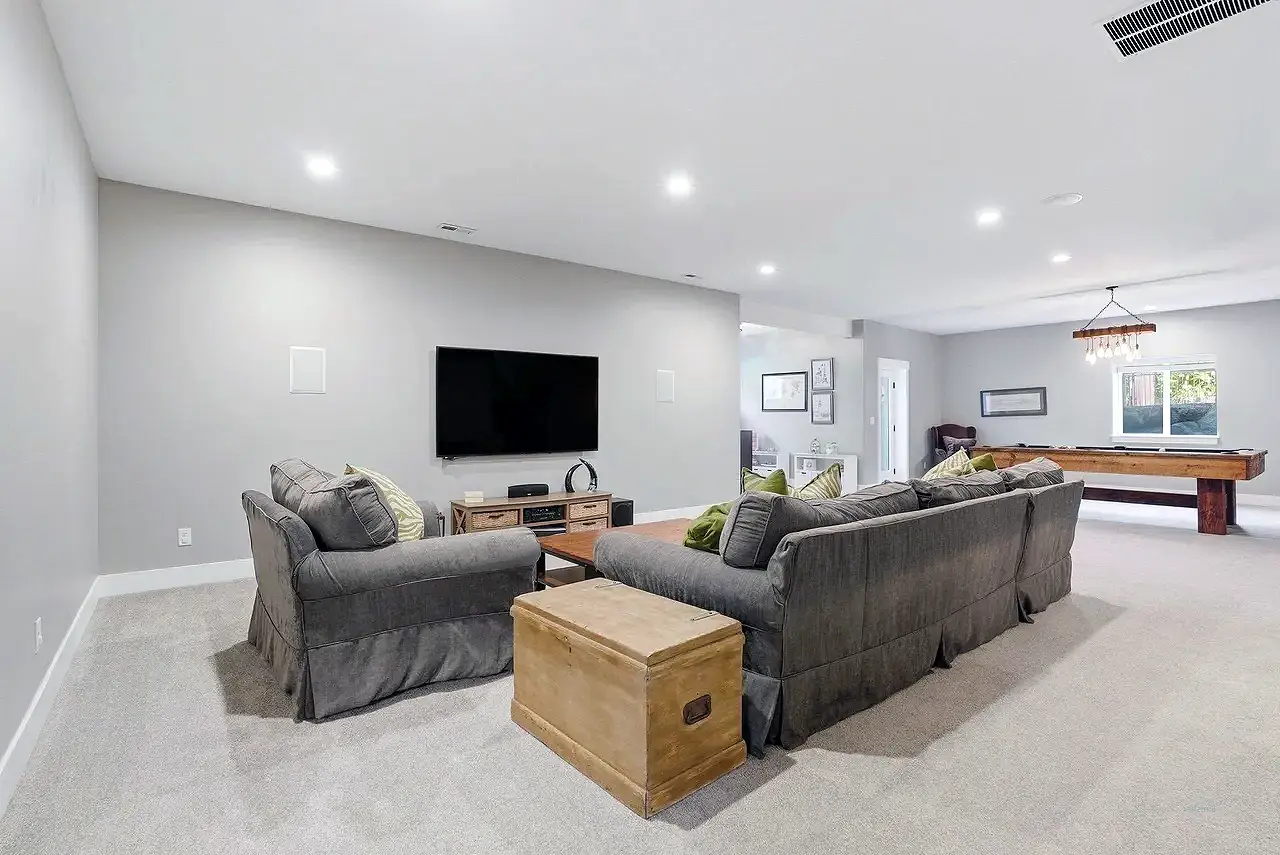
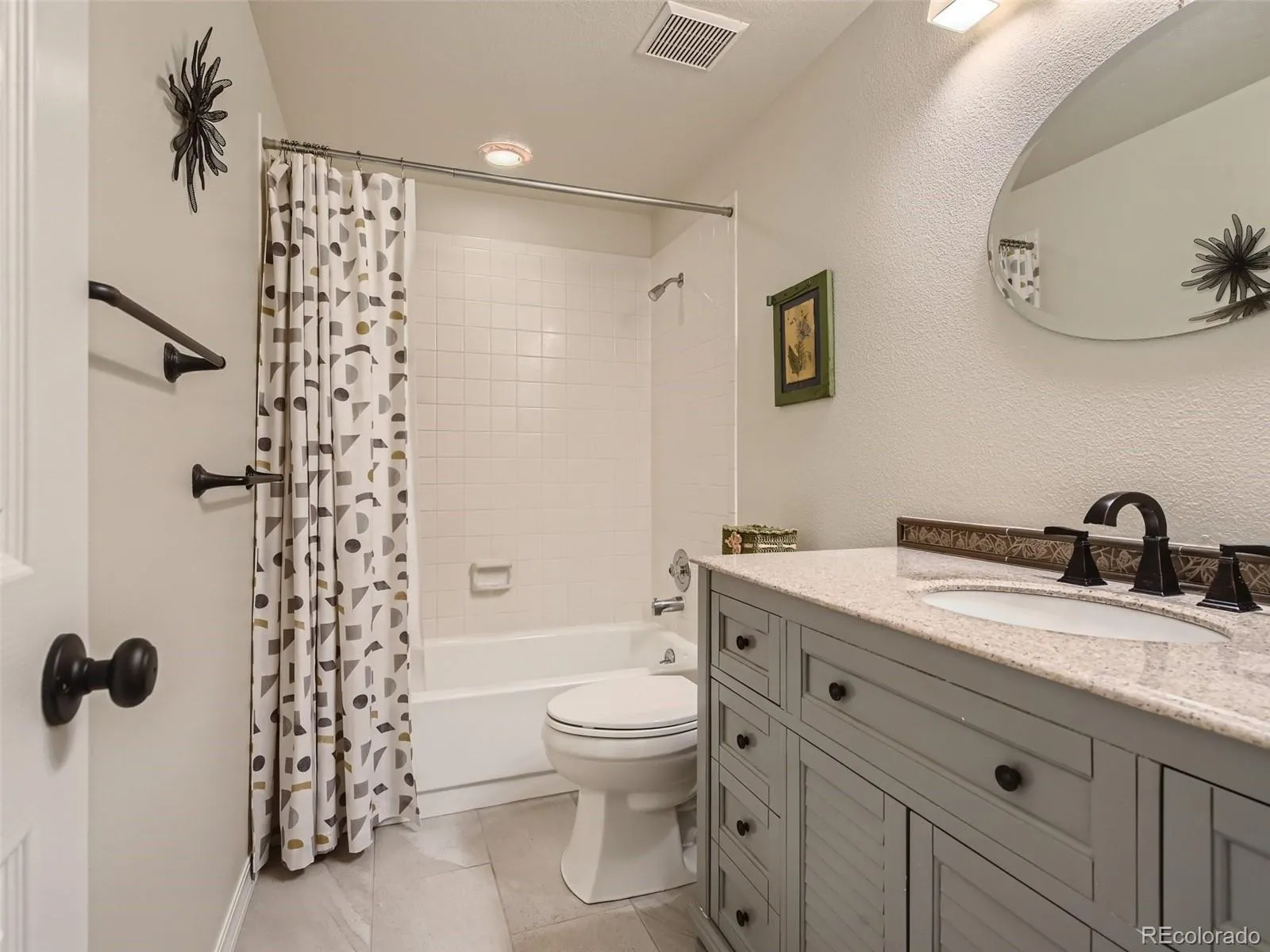
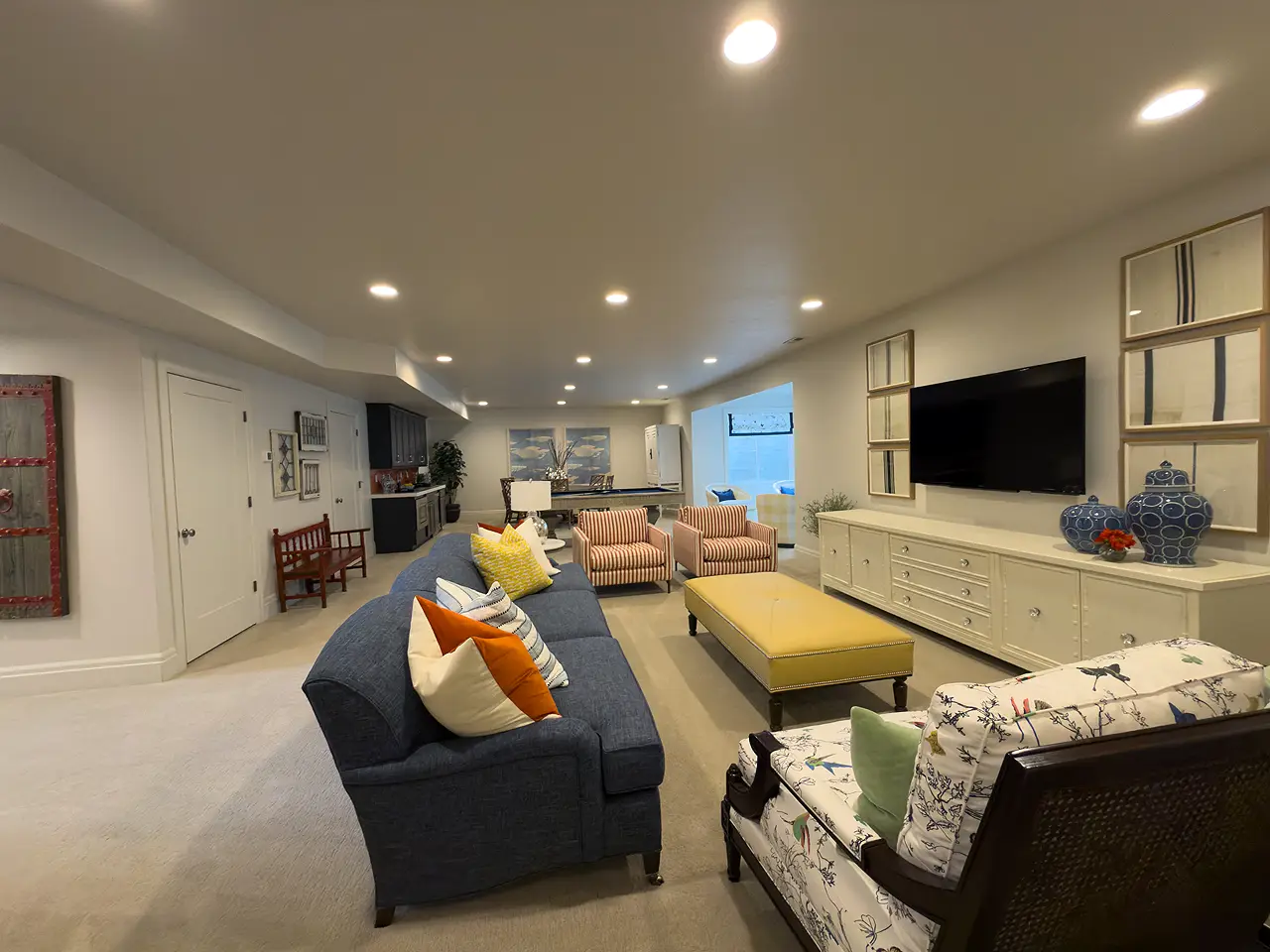
We complete over 70 basements yearly and would love to help you finish yours. Each is completed in approximately 12 weeks, is fully permitted and inspected, and comes with a comprehensive 2-year warranty.
Experienced. Licensed. Insured.
Why choose us
A great basement laundry room starts with thoughtful planning and quality craftsmanship. We help you create a practical layout with the storage, workspace, and features you need, then manage the details from design through construction to deliver a laundry room that makes everyday life easier.
What our Clients are Saying
Recent reviews from clients who love their basement finish.


Design Your Basement Laundry Room Around Your Budget
A well-designed basement laundry room does not have to be expensive. We can help you prioritize the features that matter most, choose practical materials and finishes, and create a comfortable, functional space that works with your needs and budget.
Basement Kitchen & Wet Bar FAQs
Find helpful answers about costs, design choices, permits, and basement kitchen options.
Is the basement a good place for a laundry room?
Quick Answer:
Yes. A basement can be a great place for a laundry room, especially if you want more space for storage, folding, and everyday laundry tasks.
Detailed Answer:
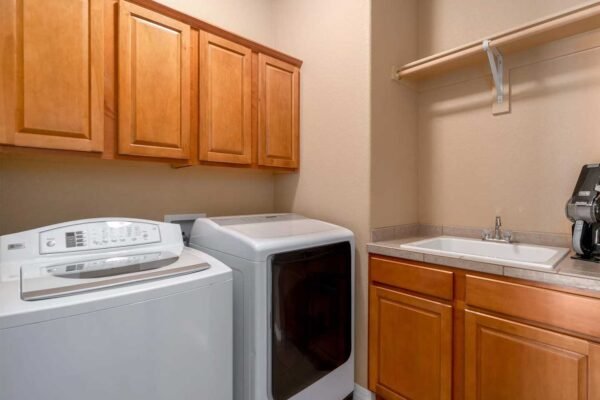
A basement laundry room can give you much more flexibility than trying to fit a washer and dryer into a small closet or utility area upstairs. With a little extra room, you can add cabinets for supplies, countertops for folding, hanging space, a utility sink, and storage for baskets, linens, and other household items.
Moving laundry to the basement can also help keep some of the clutter that comes with laundry out of your main living areas. Instead of baskets, detergent, and piles of clothes taking up space upstairs, you can create a dedicated area where everything has its place.
A good question to ask is, “how do I do laundry?” This will help you determine what features you need. For many, a clothing rod is great for hanging clothes to dry. Others may need extra storage. Some create complete cubbies and baskets to sort the family’s laundry. Whatever is important to you we can make it work for your laundry room.
If the laundry room is being added as part of a basement finishing project, plumbing, electrical, ventilation, and other requirements can be planned from the beginning. This helps create a laundry room that feels like a finished part of your home rather than an afterthought tucked into a utility space.
How much space do I need for a basement laundry room?
Quick Answer:
It depends on what you want in the room. A washer and dryer don’t require much space, but you’ll want a little more room if you plan to add cabinets, a sink, countertops, or storage.
Detailed Answer:
A basement laundry room doesn’t have to be large to work well. If you’re mainly looking for a place for the washer and dryer, we can often fit them into a fairly small area. The important thing is leaving enough room for the appliances, hookups, dryer vent, and space to comfortably open the doors and move around.
If you have the space, though, it’s worth giving the laundry room a little extra room. A countertop for folding clothes, cabinets for detergent and cleaning supplies, or a utility sink can make a big difference in how useful the room is. You may also want space for laundry baskets, a drying rack, or somewhere to hang clothes.
We usually recommend deciding what you want in the laundry room before deciding how large it should be. There’s no reason to give up valuable basement space for an oversized laundry room if you don’t need one. On the other hand, if you do a lot of laundry or want the room to double as household storage, the extra space may be well worth it.
During the basement design process, we can look at your available space and find a layout that makes sense with the rest of the basement. Plumbing and vent locations also play a role, so sometimes a slightly different location or layout can give you a better laundry room without taking space away from bedrooms, bathrooms, or your family room.
Can I add a laundry room anywhere in my basement?
Quick Answer:
Usually, you have some flexibility in where you put a basement laundry room, but plumbing, drainage, electrical, and dryer venting can make some locations much easier and less expensive than others.
Detailed Answer:
You don’t necessarily have to keep your basement laundry room where the existing hookups are. In many basements, plumbing and electrical can be added or moved, which gives you more freedom to choose a location that works with the rest of your floor plan.
That said, some locations make a lot more sense than others. Keeping the laundry room close to existing plumbing can simplify the project and help keep costs down. Dryer venting also needs to be considered since the dryer needs a proper route to the outside of the home.
If you’re finishing the entire basement, it’s a good idea to figure out the laundry room location early in the design process. Sometimes moving it a few feet can leave more room for a bedroom, create a better hallway, or make better use of an awkward part of the basement.
We can look at your existing plumbing and utilities along with the layout you want for the basement and help you find a location that makes sense. The goal is to put the laundry room somewhere convenient without making the rest of the basement harder or more expensive to build.
What type of flooring is best for a basement laundry room?
Quick Answer:
Water-resistant flooring is usually the best choice for a basement laundry room. LVP and tile are both popular options because they hold up well to moisture and are easy to clean.
Detailed Answer:
Laundry room floors need to handle a little more abuse than flooring in other parts of the basement. Between wet clothes, spills, and the possibility of a washer leaking, it makes sense to choose something that won’t be easily damaged by water.
LVP is a popular choice for basement laundry rooms because it’s durable, water-resistant, and doesn’t require much maintenance. There are also plenty of styles to choose from, so it’s usually easy to find something that works with the flooring in the rest of your basement.
Tile is another good option, especially if you want something that can handle water without much concern. It costs more to install and can feel colder underfoot, but it’s extremely durable and works especially well if the laundry room also has a utility sink or other features where water may end up on the floor.
We generally recommend avoiding flooring that can be easily damaged by moisture, particularly carpet and traditional hardwood. The best choice ultimately comes down to your budget, the look you want, and what flooring you’re using throughout the rest of the basement.
What storage should I include in my basement laundry room?
Quick Answer:
Cabinets, shelves, countertops, and hanging space are all useful additions. The right combination depends on how much room you have and what you want to store.
Detailed Answer:
Start with the things you use every time you do laundry. Cabinets above the washer and dryer are a good place for detergent, stain remover, dryer sheets, and other supplies. Open shelves can also work well for things you want to be able to grab quickly.
If you have enough room, a countertop is one of the most useful things you can add. It gives you a place to fold clothes, sort laundry, or set down baskets without having to carry everything to another room. A hanging rod is another simple addition that comes in handy for shirts and other clothes you don’t want to put in the dryer.
Larger laundry rooms can also include tall cabinets, built-in spaces for laundry baskets, or extra storage for towels, linens, cleaning supplies, and other household items. This can be especially helpful if storage is limited elsewhere in the basement.
You don’t need to add every type of storage, though. Think about how you normally do laundry and what tends to pile up or get in the way. A few well-placed cabinets, shelves, or drawers can often be more useful than filling every available wall with storage.
How can I keep my basement laundry room within my budget?
Quick Answer:
Keep the layout simple and spend your money on the things that will make the room easier to use. You can get a very functional laundry room without choosing expensive cabinets, countertops, or finishes.
Detailed Answer:
One of the easiest ways to stay within budget is to keep the laundry room fairly simple. You need a good place for the washer and dryer, some storage, decent lighting, and flooring that can handle water. Anything beyond that really depends on how you plan to use the room.
You can also save quite a bit by being selective with cabinets and countertops. Maybe you need a countertop for folding clothes but only a couple of cabinets for detergent and other supplies. Open shelving is another option that gives you useful storage without the cost of adding cabinetry everywhere.
Location matters and can significantly increase cost if it isn’t near a plumbing stack or drain. You can put the laundry room just about anywhere, but the cost to cut the floor to add sub-rough plumbing for the drain is significant. Adding a drain can cost $500 to $1500, depending on how far the drain needs to be moved. If the new drain location is more than 15 feet from a plumbing stack or drain, it may not be possible to get the necessary slope for the drain to work properly. It’s best to position the drain as close to plumbing as possible.
We can go through the options with you and figure out what’s worth including based on your budget. Sometimes spending a little more on one feature makes sense, while other upgrades are easy to skip without really missing them once the room is finished.
Ready to Finish Your Basement?
Clear pricing, expert guidance, and a smooth process from the very beginning