
How to Plan a Basement Finishing Project That Works for You
Finishing your basement gives you a lot more usable space, but more square footage isn’t necessarily the goal. What really matters is creating a basement that works for the way your family actually lives.
After finishing basements throughout Utah for more than 20 years, we’ve seen just about every type of layout. Some homeowners want a big family room where everyone can hang out. Others need bedrooms for growing kids, a home office, a gym, or a basement apartment. We’ve also worked with plenty of homeowners who come to us knowing they want to finish the basement but aren’t quite sure what to do with all the space.
That’s completely fine. In fact, figuring out how you’ll use the basement is one of the most important parts of the planning process.
Start With How You’ll Actually Use the Basement
Before worrying about flooring, paint colors, cabinets, or other finishes, think about what you’re missing upstairs.
Maybe the family room is getting crowded and you’d love a larger place to watch movies. Maybe you need another bedroom now that your kids are getting older. Or perhaps you’ve always wanted a home gym but don’t want exercise equipment taking over a spare bedroom.
We’ve found that the best basement layouts usually come from solving those kinds of everyday problems.
It’s also common for a basement to serve several purposes. You might have a large family room in the center with bedrooms and a bathroom off to the side, along with a small wet bar or office. You don’t necessarily need a separate room for everything.
Create a Layout That Feels Natural
One of the biggest mistakes you can make when planning a basement is trying to squeeze too many rooms into the available space.
More rooms don’t always make a basement more useful. We’ve walked through plenty of unfinished basements where the homeowner initially wanted to divide almost every corner into a separate room. Once you start adding walls, doors, and hallways, though, a basement can get cramped surprisingly quickly.
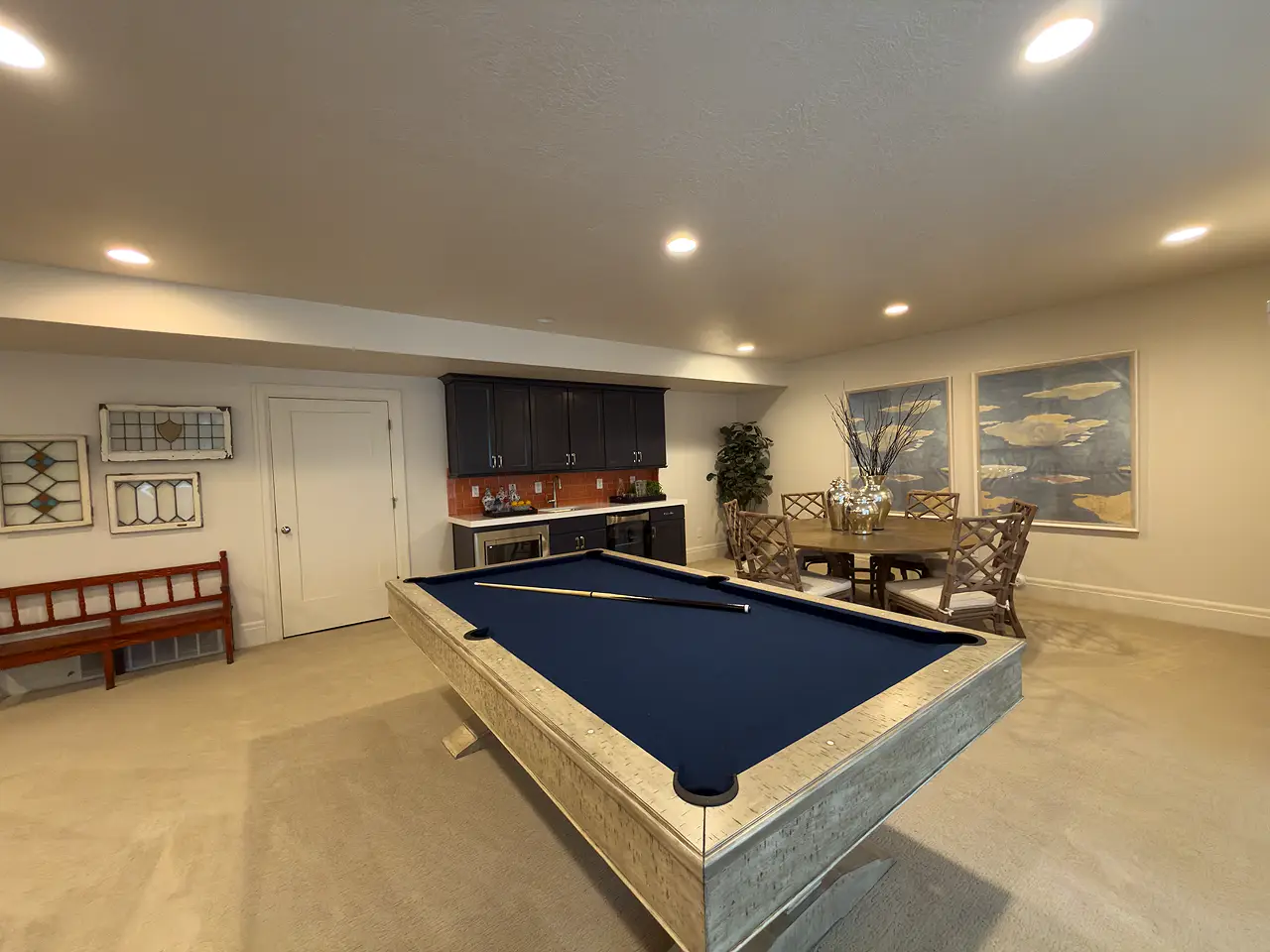
We generally like to keep the main living areas open when the space allows for it. A larger family room can accommodate a TV area, game table, kids’ space, or even a small sitting area without needing walls between everything.
Bedrooms, bathrooms, offices, and other spaces that need privacy can then be placed around that main living area.
The goal isn’t necessarily an “open floor plan.” It’s simply to make moving through the basement feel easy and natural.
Choose the Spaces That Matter Most
Most finished basements have a few basics: a family room, bathroom, and one or more bedrooms. Beyond that, there’s a lot of flexibility.
We’ve built basement home theaters, gyms, offices, game rooms, laundry rooms, kitchens, wet bars, playrooms, and apartments. Some families want several of those things, while others would rather put their budget toward one or two spaces they’ll use every day.
When you’re deciding what to include, ask yourself a simple question: Will we actually use this?
If nobody in your family plays pool, you probably don’t need to design the entire basement around a pool table just because there’s room for one. On the other hand, if your family watches movies together every weekend, putting more space and money into a comfortable TV or theater area probably makes sense.
Design the basement for your family rather than for a checklist of features a finished basement is “supposed” to have.
Think About Bathrooms, Kitchens, and Wet Bars Early
Some parts of a basement are much easier to move around on paper than they are once construction starts.
Bathrooms are a good example. Plumbing locations can have a significant effect on both the layout and cost, so we look at those early in the design process. If your basement already has plumbing roughed in, it may make sense to keep the bathroom relatively close to it rather than moving everything across the basement.
The same goes for basement kitchens and wet bars. Cabinet layout, plumbing, electrical, appliances, and countertops all need to work together.
We’ve had projects where changing the location or design of a wet bar saved the homeowner thousands of dollars without really changing what they wanted from the space. That’s why these conversations are worth having before the final layout is locked in.
Don’t Overcomplicate the Layout
It’s easy to get carried away when you’re looking at an empty basement. On paper, another bedroom, storage closet, hallway, or little bonus room might seem like a good idea.
But every wall takes up space.
Sometimes removing a wall from the plan makes a much bigger difference than you’d expect. A family room feels larger, there’s more room around a pool or ping-pong table, and natural light can travel farther into the basement.
Simpler layouts can also be less expensive to build. Additional walls mean more framing, drywall, electrical work, doors, trim, paint, and labor.
That doesn’t mean the cheapest layout is always the right one. It just means every room and wall should have a reason for being there.
Make Your Selections Before Construction Starts
Once you have the layout figured out, start making decisions about flooring, cabinets, countertops, paint, fixtures, doors, and other finishes.
This isn’t the most exciting advice, but it can make construction go much more smoothly.
A decision that seems small can hold up several other things. Cabinets can affect countertops. Flooring can affect trim. A bathroom fixture can affect plumbing. When selections change halfway through construction, the schedule sometimes has to change with them.
We’d much rather spend a little extra time working through those decisions before construction starts than have a homeowner feel rushed into choosing something later.
Know What the Timeline Looks Like
Most of our standard basement finishing projects take about 12 weeks once permits are approved and construction begins.
Larger or more complicated basements can take longer. Kitchens and wet bars can also add time, particularly when we’re waiting for countertops to be fabricated after the cabinets are installed.
Basement construction happens in stages. Framing is followed by electrical, plumbing, and HVAC rough-ins. Then there are inspections, insulation, drywall, trim, paint, flooring, fixtures, and finishing work.
Not every day will look the same. Some weeks you’ll see dramatic changes, while other stages are less noticeable because work is happening behind the walls or we’re waiting for an inspection.
Knowing that ahead of time makes the construction process a lot easier to understand.
Don’t Forget About Permits and Inspections
A basement finish isn’t simply an interior decorating project. You’re adding electrical work, walls, HVAC, and often plumbing, bedrooms, and bathrooms. That means permits and inspections are part of the process.
Requirements vary somewhat by city, but Utah basement projects generally go through several inspections during construction.
We handle the permitting and inspection process as part of our basement finishing projects. It’s one less thing the homeowner has to coordinate, and it allows us to make sure each stage is ready before the inspector arrives.
If you’re adding bedrooms, a basement apartment, or making significant plumbing or structural changes, there may be additional requirements to consider during the design stage.
Try to Avoid Major Changes Once Construction Starts
Changing your mind isn’t the end of the world. It happens.
But it’s much easier to move a bedroom wall on a drawing than after the wall has been framed, wired, and drywalled.
We’ve found that projects tend to run the smoothest when homeowners spend enough time making decisions upfront and then stick fairly closely to the plan once construction begins.
If you aren’t sure about something, bring it up during the design stage. Sometimes a five-minute conversation before construction can prevent an expensive change later.
A Good Basement Starts With a Good Plan
You don’t need to have every detail figured out before talking to a basement contractor. That’s part of what the consultation and design process is for.
What helps is having a general idea of what you want the basement to do for your family. Think about the rooms you’re missing, where you spend your time, what you’d genuinely use, and which features matter enough to spend a little more on.
From there, the layout, budget, and finishes become much easier to work through.
We’ve finished thousands of basements over the years, and one thing we’ve learned is that there isn’t one “perfect” basement layout. The best basement is the one that makes sense for the people who are going to live in it.
Thinking about finishing your Utah basement? Contact Utah Basement Finisher for a free in-home consultation and detailed quote.
continue reading
Related Posts
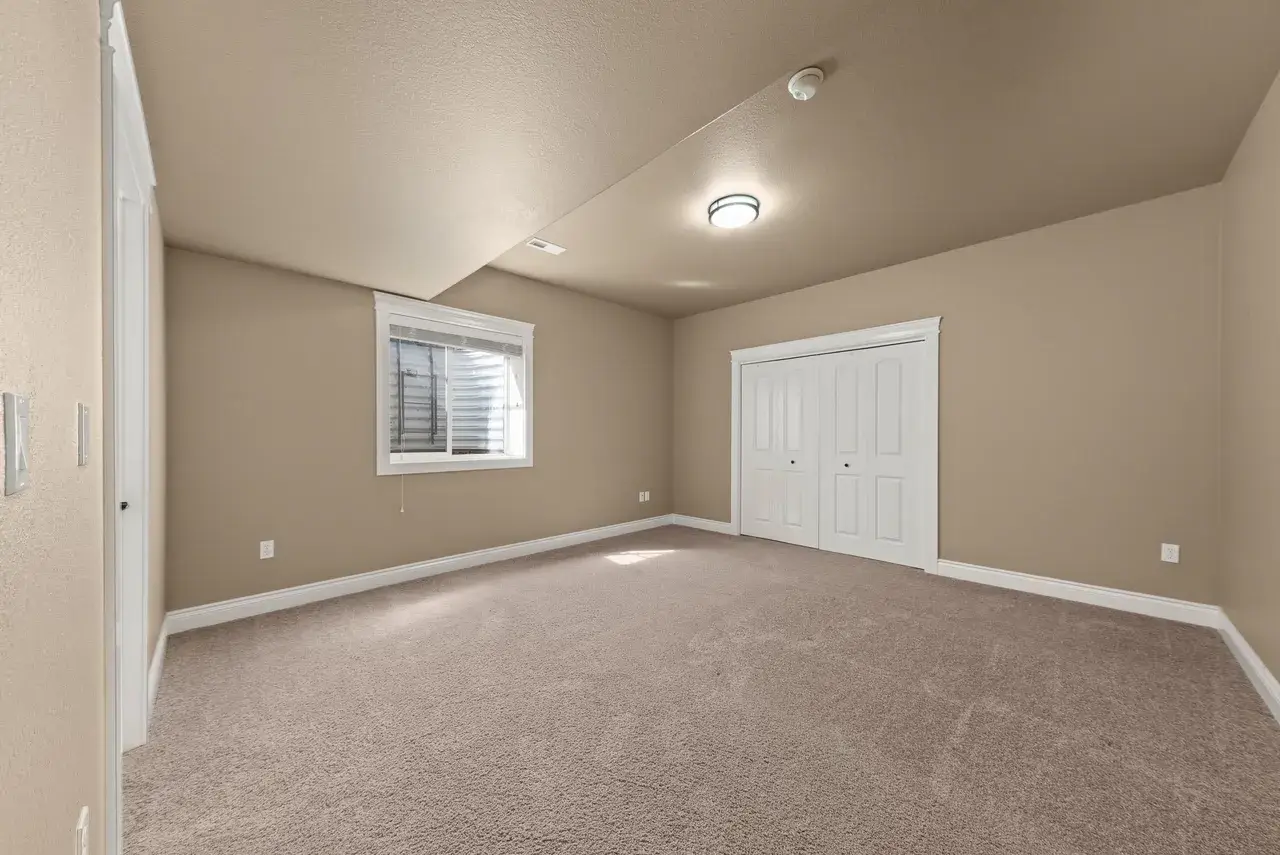
An 8-foot basement ceiling doesn’t have to feel low or cramped. With the right lighting, colors, flooring, layout, and a few smart design choices, you can make your basement feel taller, brighter, and more open.
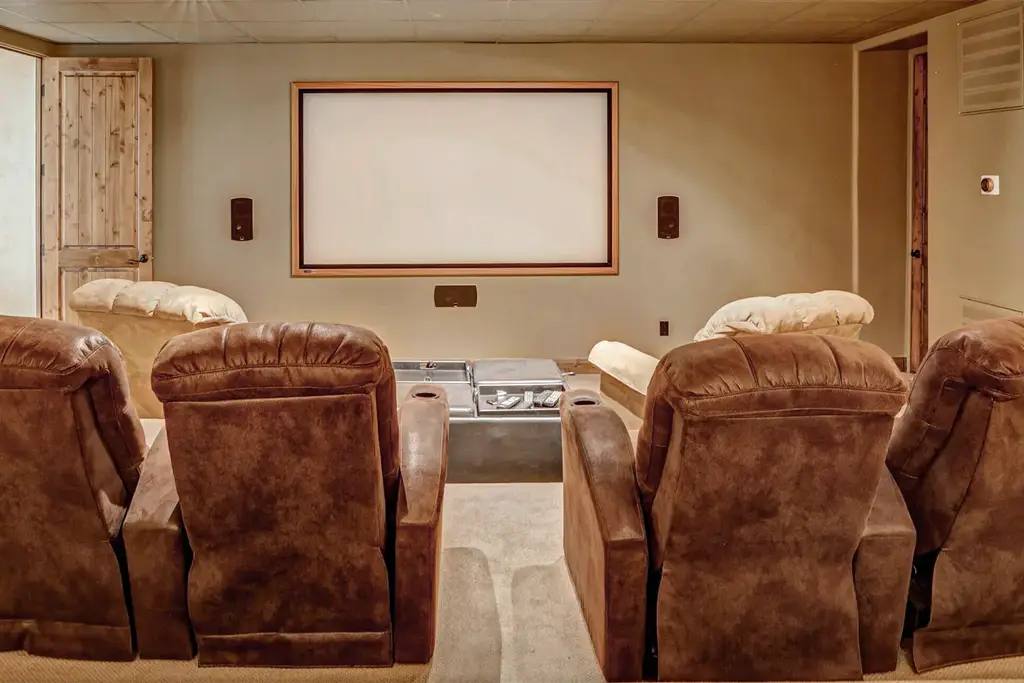
Planning a basement finishing project is not just about adding square footage. The goal is to create a space that fits naturally with how you live in your home.
-
Planning a basement finishing project is not just about adding square footage. The goal is to create a space that fits naturally with how you live in your home.