
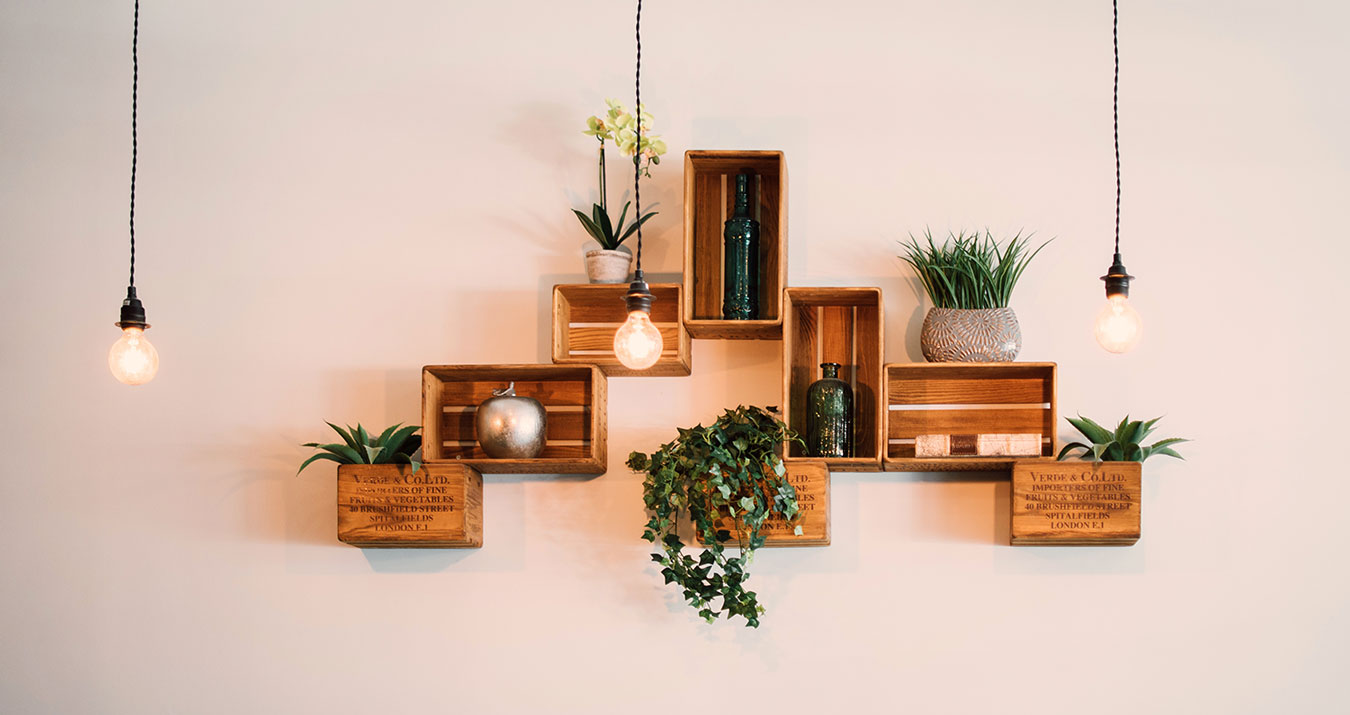
A simple idea
Add Simplicity and elegance to your Basement
Floating shelves are a great way to add a touch of class to any room. If done well, they look great and can accommodate decor that enhances the room’s overall aesthetic.
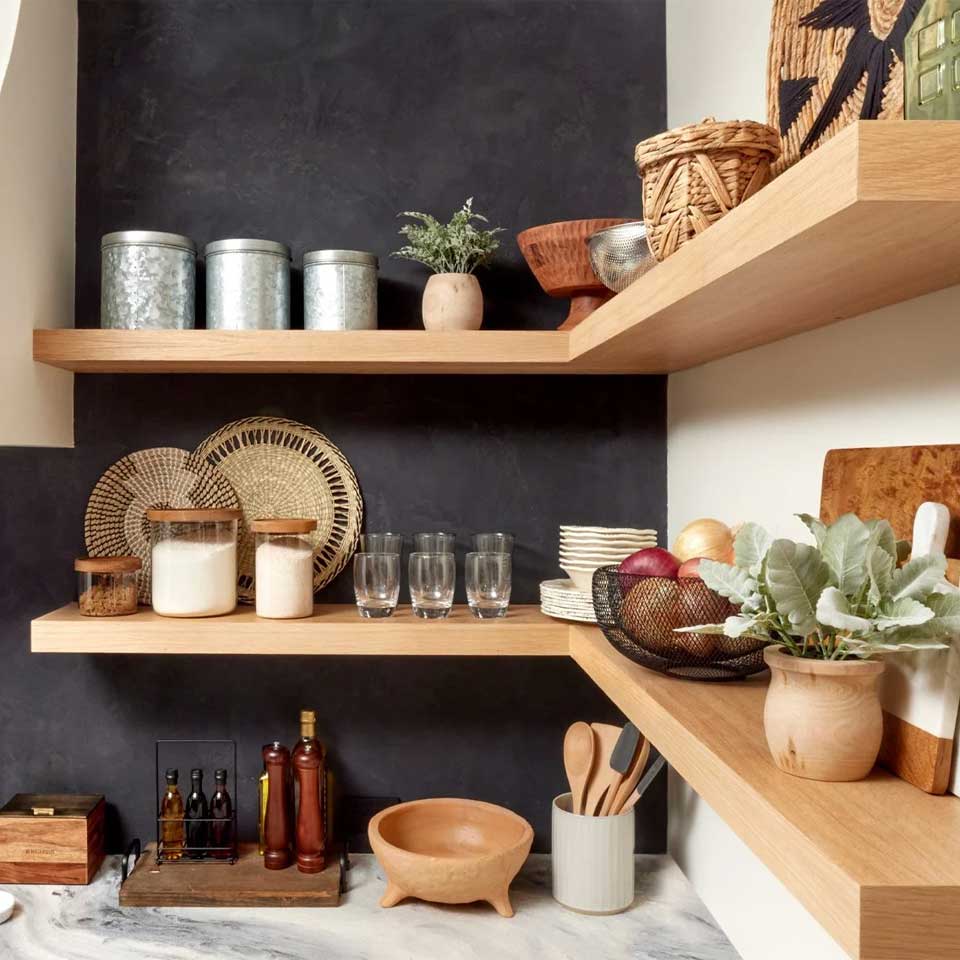


Floating Shelves for Basements: A Simple Upgrade That Adds a Lot
Not every basement upgrade needs to cost thousands of dollars.
Sometimes it’s the little things that make a finished basement feel like it belongs with the rest of the house. Floating shelves are a good example.
They’re simple, they don’t take up much room, and you can put them almost anywhere. We’ve used them around TVs, in basement kitchens, along empty walls, and in little areas that otherwise wouldn’t have much going on.
And unlike a lot of basement upgrades, you don’t have to spend a fortune to make them look good.
Finally Get Those Books Out of the Boxes
If you’re anything like us, you’ve probably got a box of books somewhere that you haven’t opened in years.
A basement is a good opportunity to get some of them back out.
A few floating shelves can turn an empty wall into a small bookshelf without taking up floor space. Add a chair and a lamp nearby, and you’ve got a simple reading area.
You don’t need to build an entire library.
Although if you have enough books for one, we’re not going to stop you.
Give the Kids’ Trophies Somewhere to Go
Kids seem to collect trophies, medals, ribbons, pictures, and awards faster than parents can figure out where to put them.
Floating shelves work really well for this.
You can give each child a shelf in their bedroom or create a larger display somewhere in the family room. When another trophy comes home, you have somewhere to put it besides the kitchen counter.
And when the shelf eventually fills up, adding another one is pretty easy.
Use Them for Family Photos
We also like floating shelves for pictures.
Instead of hanging ten individual frames and measuring every one of them, put a few frames on a shelf and lean them against the wall.
Now you can move things around whenever you want.
Family pictures, vacation photos, artwork, and little things you’ve collected over the years can all go together.
Maybe you took a great Yellowstone trip last summer. Put a few pictures up along with something you brought home from the trip.
Those little details are what make a basement feel like your family’s space instead of just another finished room.
Floating Shelves Around the TV
This is probably one of the most popular places to use them.
A big TV by itself can leave you with a lot of empty wall around it. Floating shelves can fill some of that space without needing a large entertainment center or expensive built-ins.
They’re a good place for pictures, decorations, books, or a few things that make the room look finished.
Just don’t go crazy.
We’ve seen TV walls where every available inch has something sitting on it. At that point, the shelves start creating the clutter they were supposed to solve.
Sometimes two or three shelves are plenty.
Floating Shelves in a Basement Kitchen
This is where floating shelves can actually save you some money.
Cabinets aren’t cheap.
The semi-custom cabinets we use are manufactured by AWA Cabinets in Salt Lake City, and our installed price is around $650 per cabinet.
If you’re building a basement kitchen or wet bar, you may not need upper cabinets across every wall.
You could use cabinets where you really need closed storage and add a couple of floating shelves in another area.
That can save some money while also making the kitchen feel a little more open.
This can be especially nice in a basement with an 8-foot ceiling, where a wall full of upper cabinets can sometimes make a small kitchen feel even smaller.
You Don’t Have to Replace Every Cabinet With a Shelf
There’s a practical side to this too.
Open shelving looks great in pictures.
Then you actually have to live with it.
Everything on the shelf is visible, which means your nice glasses look great up there, but your collection of mismatched plastic cups probably doesn’t.
There’s also dust.
For that reason, we usually think a combination works better than replacing all of your upper cabinets with floating shelves.
Keep cabinets for the things you don’t want to look at every day.
Use the shelves for the things you do.
Think About What You’re Putting on Them
This matters more than people realize.
A shelf holding three picture frames doesn’t need to support the same weight as a shelf full of hardcover books.
If you know you want heavy items on the shelves, tell us while we’re framing the basement.
We can plan for it.
Adding backing or blocking inside the wall gives us something solid to attach the shelves to later. That’s especially helpful if you’re planning thick wood shelves or anything that’s going to carry much weight.
It’s one of those tiny details that’s really easy to handle before drywall.
After drywall, it gets more complicated.
The Wood Can Become Part of the Design
Floating shelves don’t all have to look the same.
A natural wood shelf can warm up a basement with a lot of white walls and cabinets.
Darker wood can work well with black fixtures and hardware.
You can also match the shelves to other wood in the basement, such as the stair railing, cabinets, mantel, or built-ins.
They don’t necessarily need to match everything perfectly.
Sometimes it’s better when they don’t.
Where Can You Put Floating Shelves?
Almost anywhere you have an empty wall.
We’ve seen them work well in family rooms, bedrooms, offices, kitchens, wet bars, reading areas, and around entertainment centers.
They can also make use of those odd little basement spaces that aren’t quite big enough for furniture.
That’s one reason we like them.
You’re not giving up much space, but you’re gaining somewhere useful to put things.
Don’t Add Shelves Just Because the Wall Is Empty
This might sound strange in an article about floating shelves, but every empty wall doesn’t need something on it.
A little open space is good.
Before adding shelves, think about what you’re actually going to put there.
If you already know where the books, pictures, trophies, or decorations are going, great.
If you’re adding shelves and then trying to figure out what to put on them afterward, you probably don’t need the shelves.
Plan Them Before the Drywall Goes Up
You can absolutely add floating shelves to an existing finished basement.
But if we’re already building your basement and you know you want them, tell us.
We can think about the location while we’re framing and add backing in the wall where it makes sense.
That’s especially important for heavier shelves.
It’s a five-minute conversation during the design stage that can make installation much easier later.
A Small Detail That Can Make a Big Difference
Floating shelves probably aren’t going to be the first thing you think about when planning your basement.
You’ll be thinking about bedrooms, bathrooms, flooring, paint colors, and whether you really need that wet bar.
But once the big decisions are made, little details like shelves can help bring everything together.
Use them for books.
Put the kids’ trophies on them.
Create a wall of family pictures.
Replace a couple of expensive upper cabinets with them.
Or just put two nice wood shelves next to the TV and call it good.
They don’t need to be complicated.
Sometimes a simple shelf and a few things your family actually cares about are all an empty basement wall needs.
Planning your Utah basement finish? Contact Utah Basement Finisher at 385-343-7847 for a free in-home consultation and detailed quote.
continue reading
Related Posts
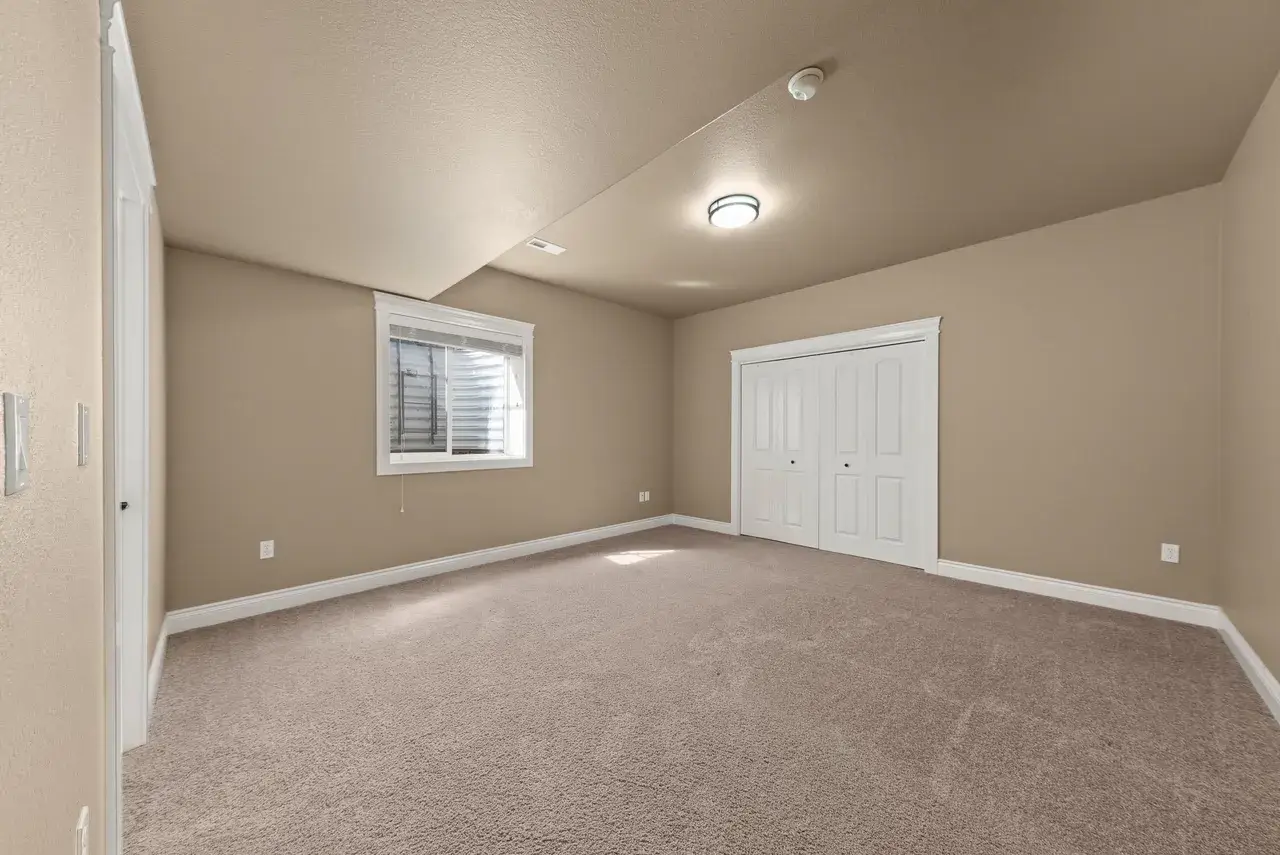
An 8-foot basement ceiling doesn’t have to feel low or cramped. With the right lighting, colors, flooring, layout, and a few smart design choices, you can make your basement feel taller, brighter, and more open.
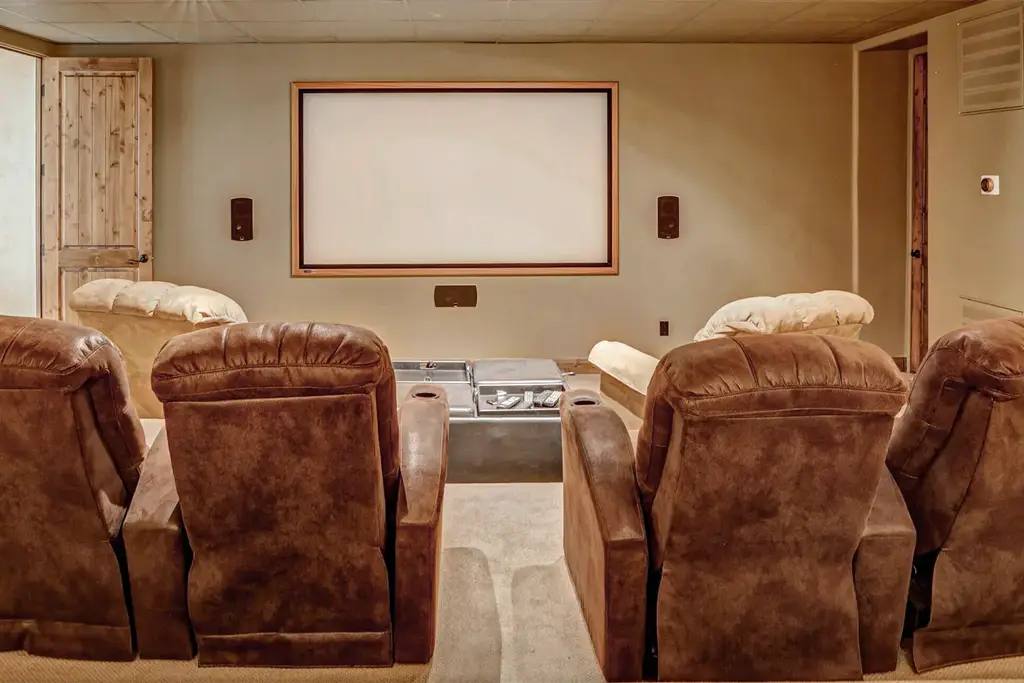
Planning a basement finishing project is not just about adding square footage. The goal is to create a space that fits naturally with how you live in your home.
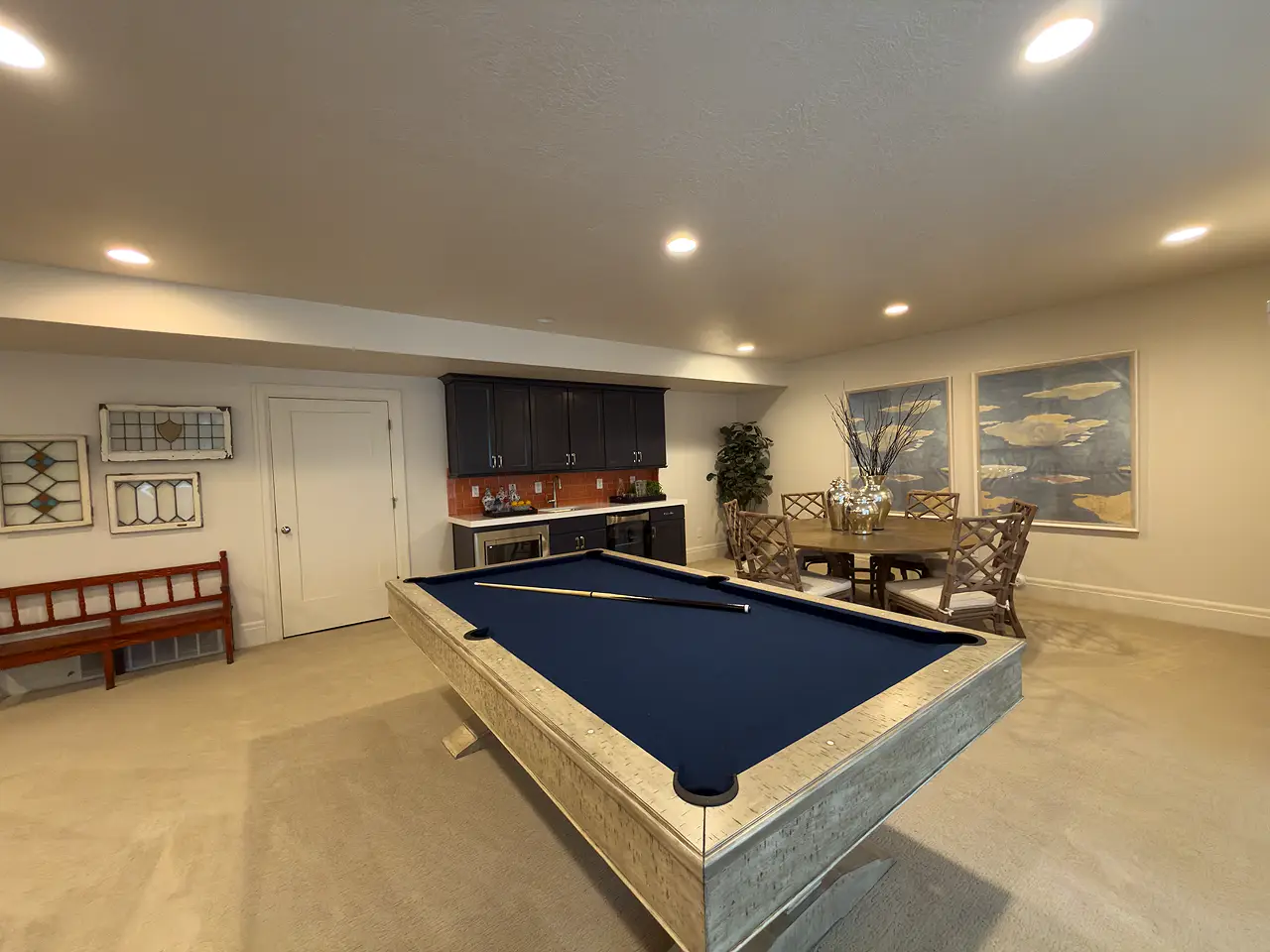
Planning a basement finishing project is not just about adding square footage. The goal is to create a space that fits naturally with how you live in your home.